Maximalism, Power and the Politics of Design: What the Top New Décor Trend is Saying About the Real Estate Market Ahead
Amber Sustala January 6, 2026
Amber Sustala January 6, 2026
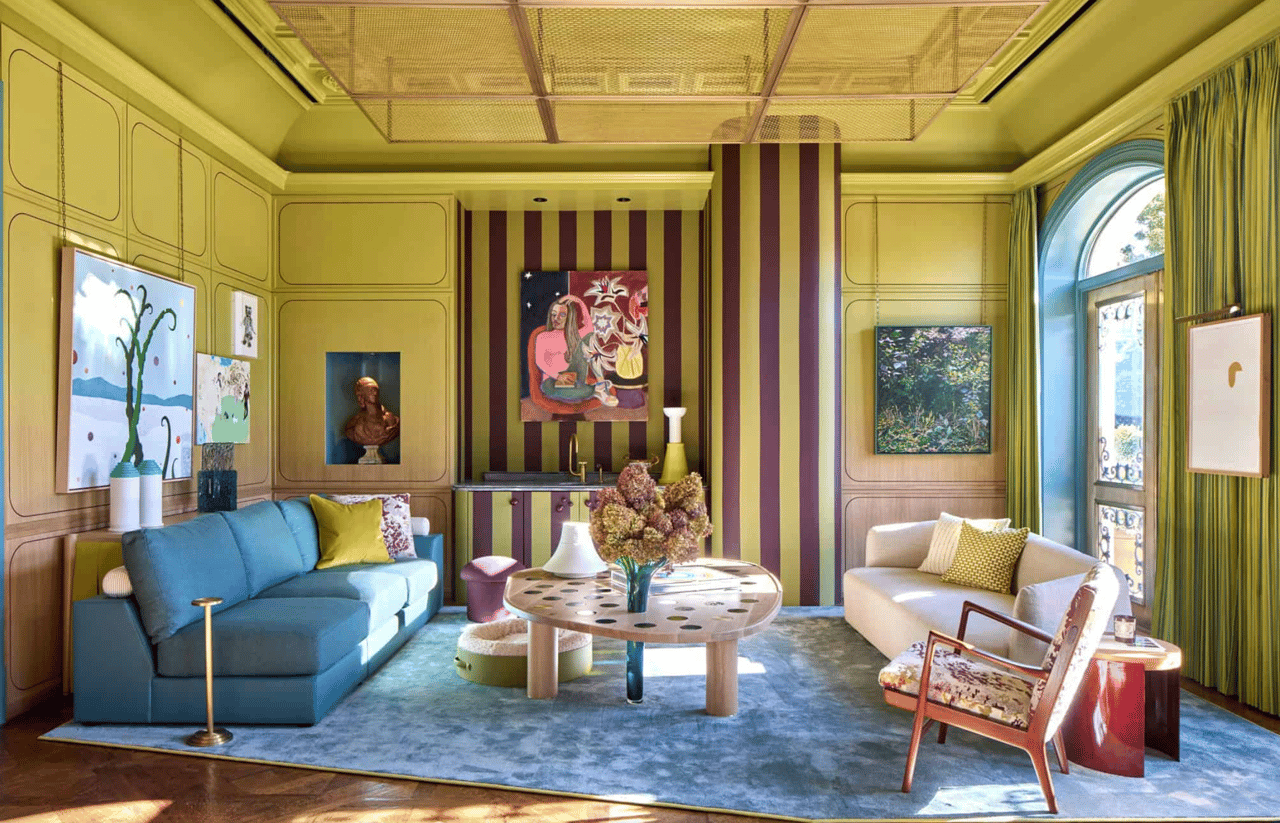
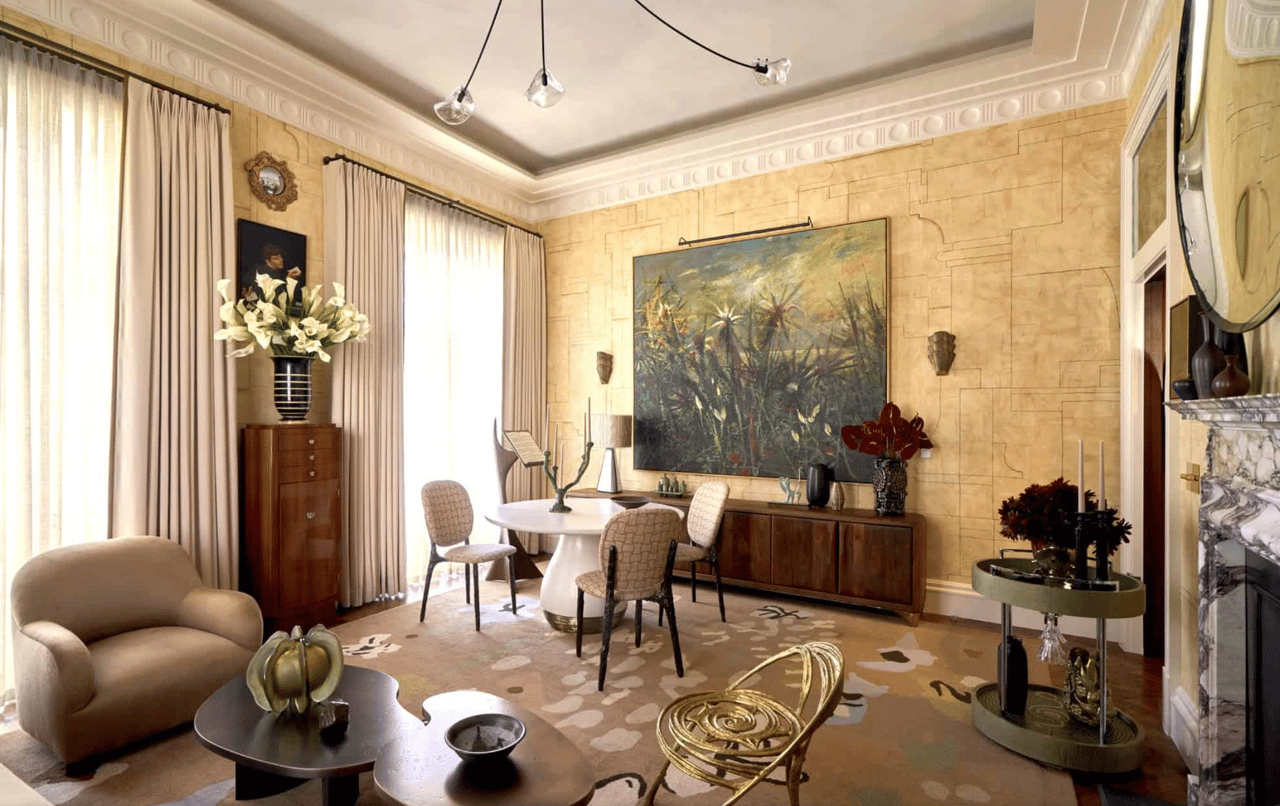
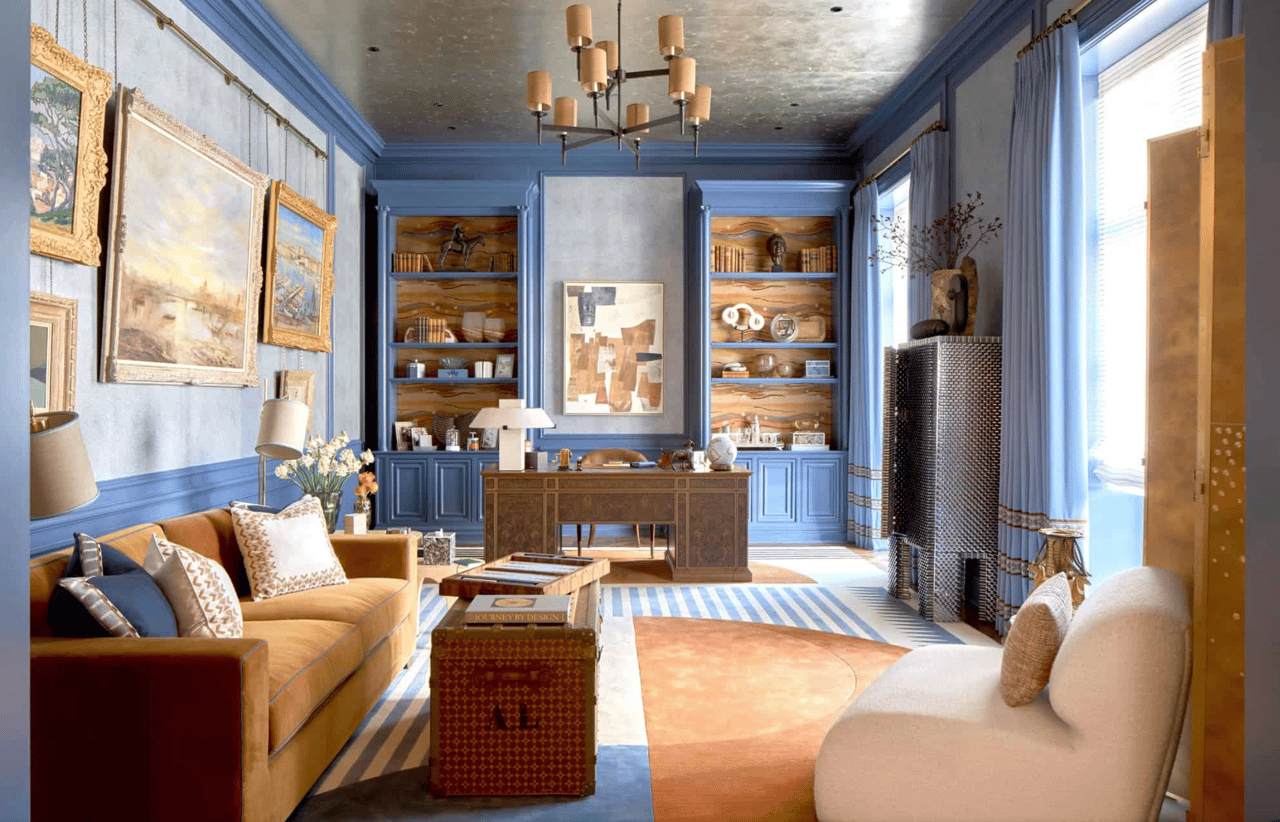
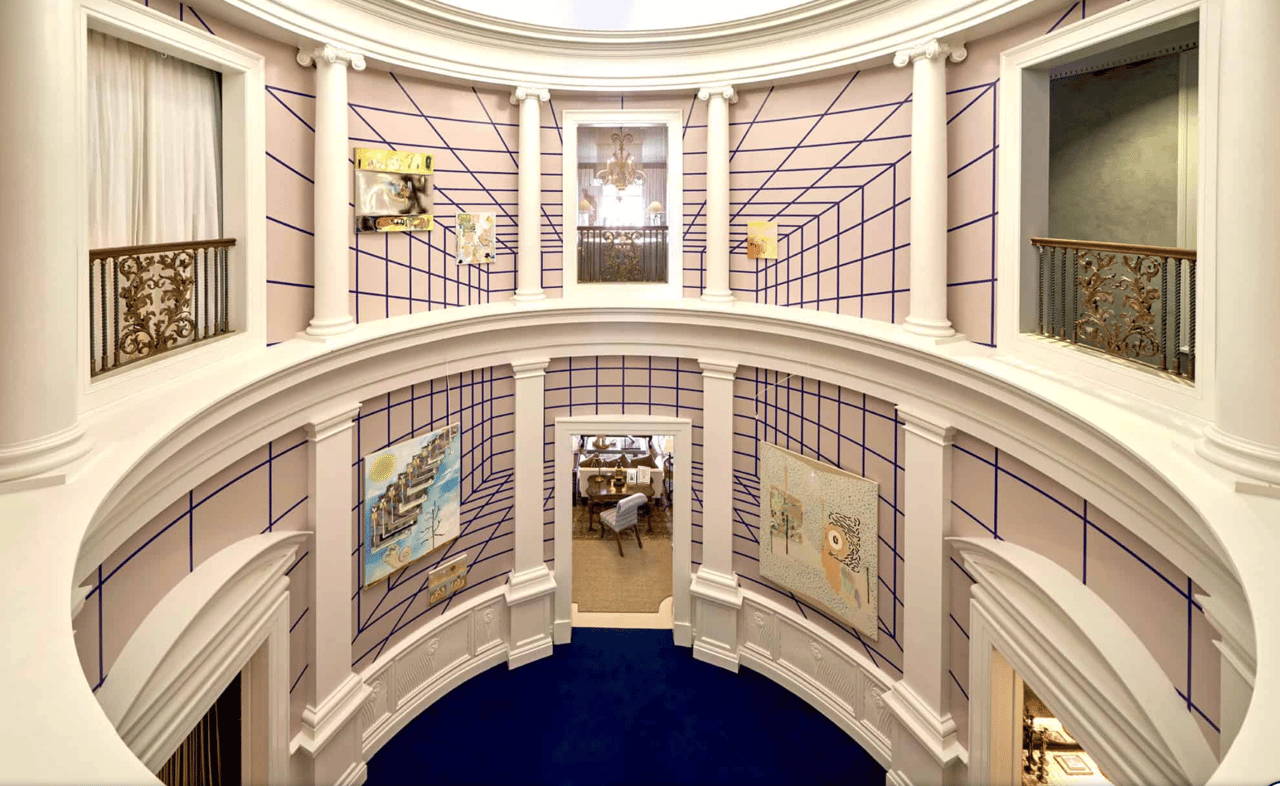
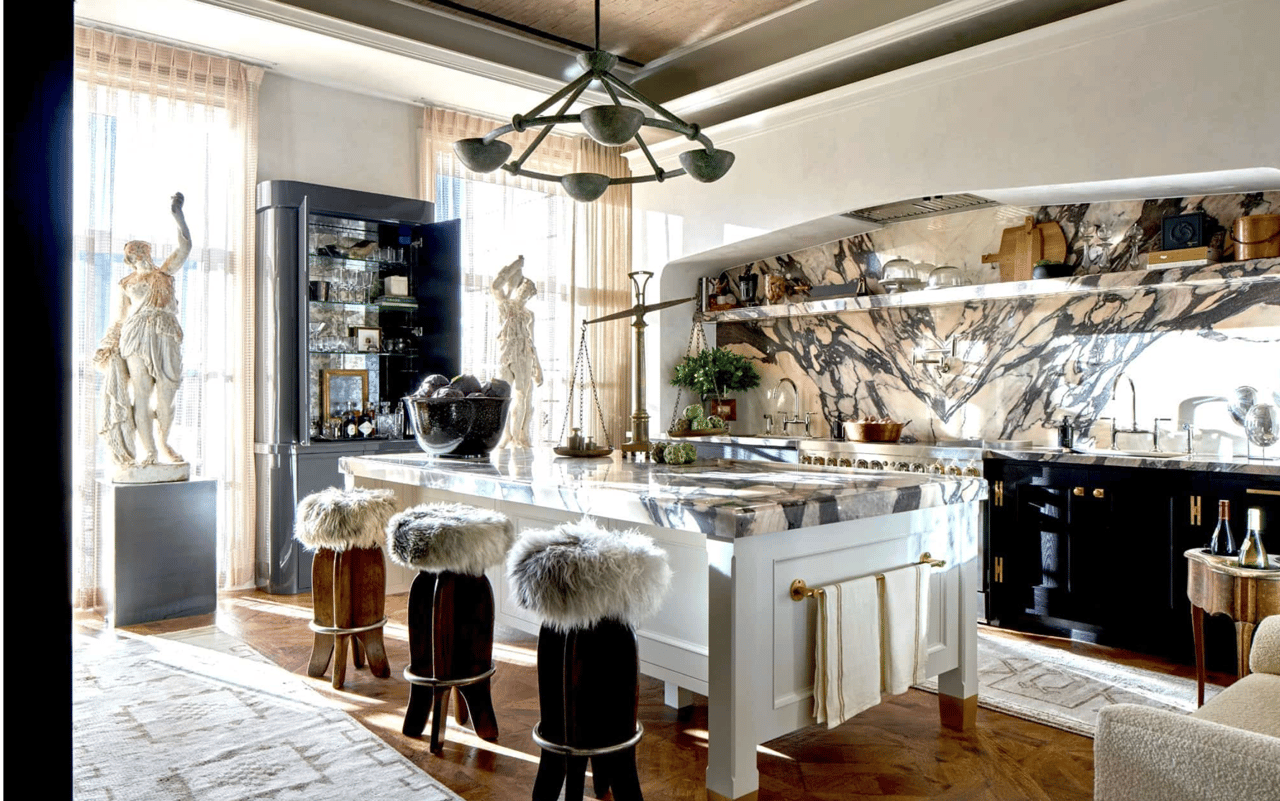
If you really want to understand where the real estate market is heading, don’t look at the spreadsheets first. Look at the sofa fabrics. Look at the wallpapers. Look at what designers are doing when no one is asking them to be safe. (Take, for instance, the recent Kips Bay Decorator Show House in Dallas.) Why? Because the world of home décor will whisper where the economy is emotionally, often before analysts put numbers to it. And right now? The whispers are, in fact, loud: Pattern, color, the return of antiques, voluminous draperies, mixed eras and layers upon layers are back. Minimalism is fading like the memory of an empty, all-white kitchen. I recently explored that show house, where 26 designers from around the world — including several in Texas — were given a room each and told to go wild. No limits. No client restrictions. The result? Immersive, very richly layered rooms. It was undeniable confirmation that maximalism is here: bold, expressive and culturally relevant. What is this trend signaling?
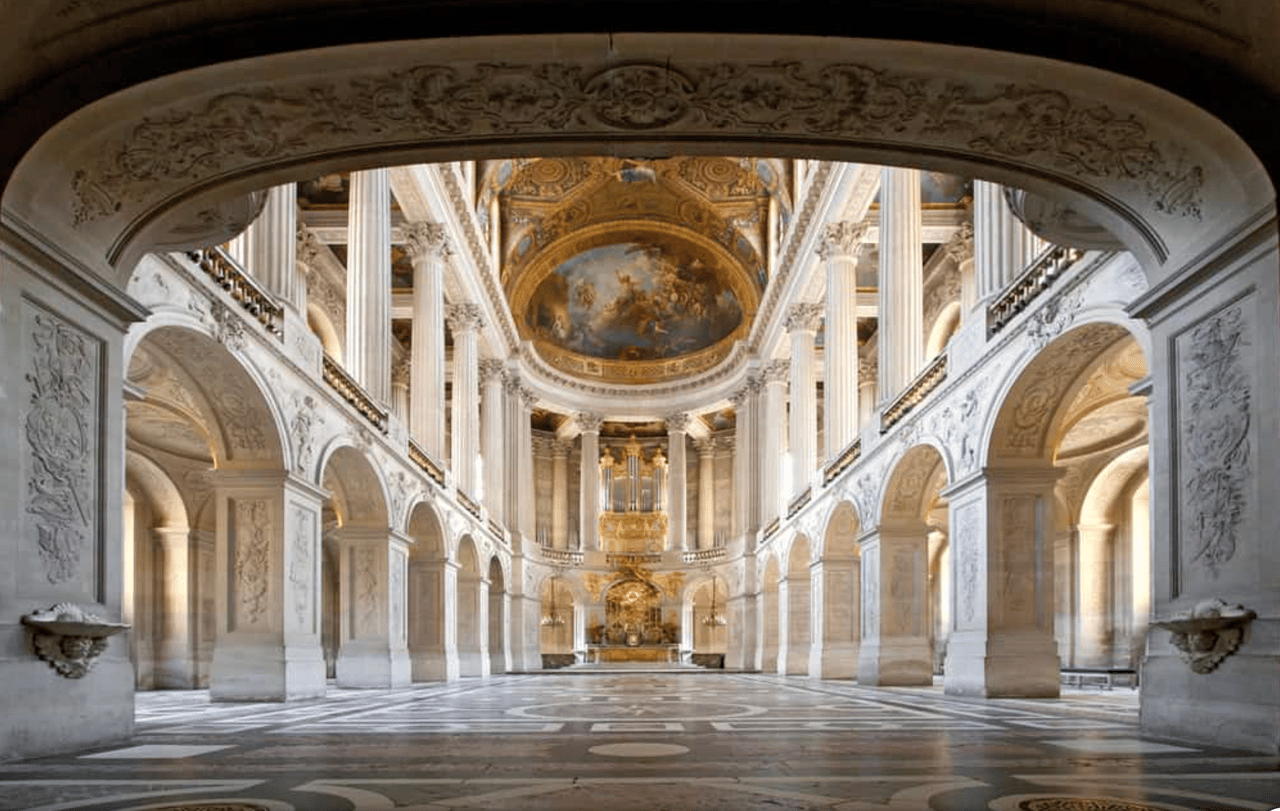
To understand the resurgence of maximalism and what it says, we have to look back at political eras that have helped shape the great design movements of history. Across centuries, the same pattern repeats: When the world feels uncertain, leaders and tastemakers tend to create environments that feel rich, layered and emotionally protective. Louis XIV built Versailles, above, during political tension, using gold, mirrors and ornamentation as a declaration of stability and divine order. Catherine the Great filled her palaces with international artistry during a time when Russia was redefining its identity. Napoleon leaned into dramatic symbolism such as eagles, columns and architectural grandeur to reinforce national power through interiors. And then there is the quintessential queen herself, Marie Antoinette, who became a symbol of aesthetic rebellion in an era of crisis. When she reigned in the late 1700s, France was economically strained with national debt, rising resentment, food shortages and political instability. Yet her personal aesthetic became more dreamy and more decadent — floral, layered, extravagant — than almost any era before it. Why? Because her style wasn’t about wealth. It was about escape. While the world tightened, she loosened. While the country felt uncertain, she created a world dripping with pastels, silks, feathers and fantasy. Her maximalism was emotional armor.
We saw the same pattern in the 1930s during the Great Depression with Hollywood glamour; then in the 1970s stagflation era with disco sparkle and excess; and even in the post-pandemic 2020s with what was dubbed “dopamine décor” and “grandmillennial style.” One thing is certain: When society feels stretched thin, people reach for beauty, comfort and layers of meaning. Maximalism isn’t born from abundance; it’s born from longing.
Top designers aren’t creating busy, layered, story-rich rooms because budgets are overflowing. They’re designing this way because clients — especially luxury clients — are done living cautiously. Minimalism is the aesthetic of survival mode. Maximalism is the aesthetic of hope. When people feel emotionally safe enough to invest in custom upholstery, buy wallpaper that isn’t resale-neutral and collect art instead of mass-produced prints, it means they are reconnecting with identity. They are designing for themselves again and not for the big real estate websites. That emotional readiness almost always arrives before a real estate thaw. Economists forecast that 2026 will be a year of modest price appreciation, increased sales volume after years of frozen activity, rate normalization and returning buyer confidence — especially in the higher end of the market. Home-design trends are mirroring that. Maximalist décor means high-end confidence is returning. Personality-heavy homes are making a comeback, and buyers in 2026 will want homes with character, not just safe beige or white boxes.
That means sellers will need to employ storytelling more than ever. They’ll need to edit, not erase, their décor’s personality — turning maximalism into a selling point, not a hurdle. Great real estate agents know how to do that for their clients, because today’s agents are much more than marketers — they are creative directors. When people start beautifying and personalizing again, it’s often a precursor to moving up, moving out, renovating, upsizing or making that long-delayed lifestyle shift. And that is the emotional climate that fuels a stronger, healthier real estate year. From Marie’s Versailles all the way to 2026, maximalism always rises when people are ready to feel again — when they’re ready to hope again, and when they’re ready to make real estate decisions from desire, not from fear. Maximalism shows us — loudly and clearly — that people are ready to live out loud again.
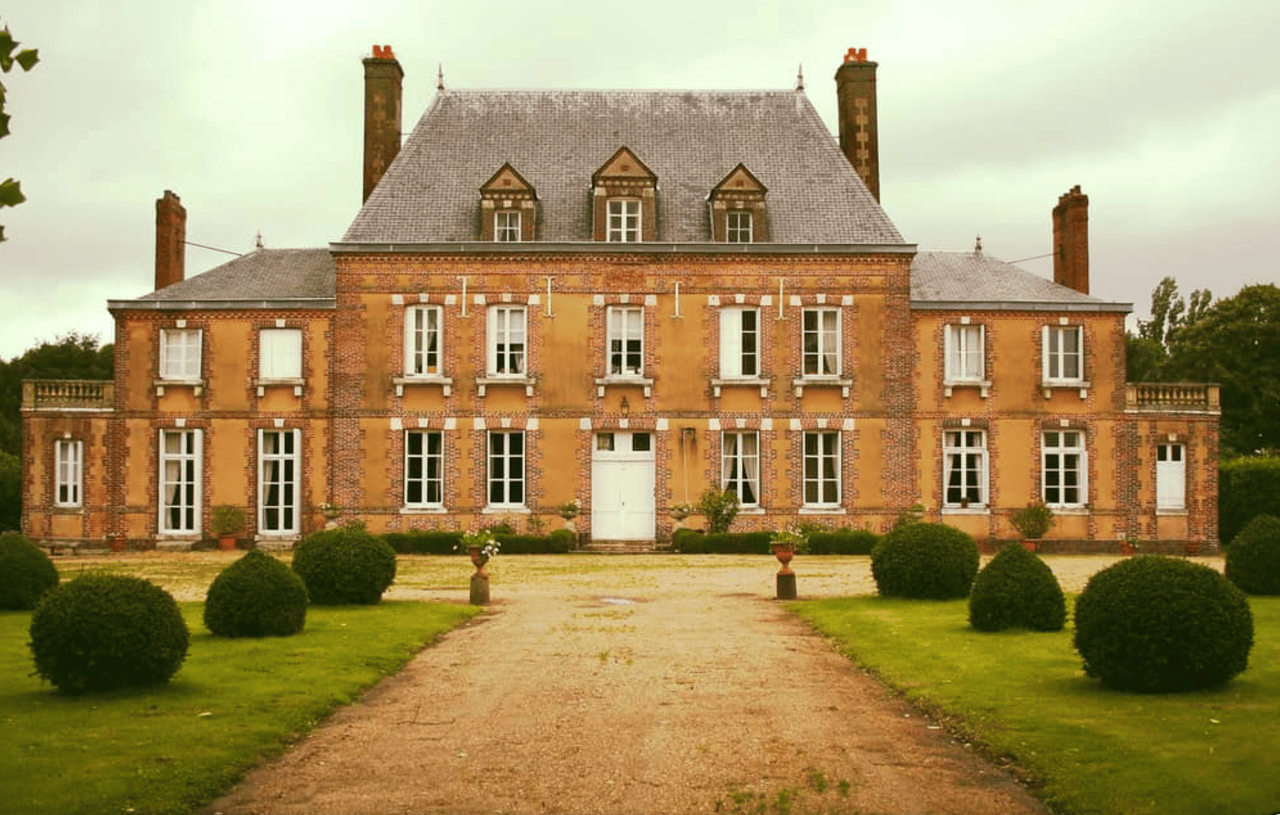
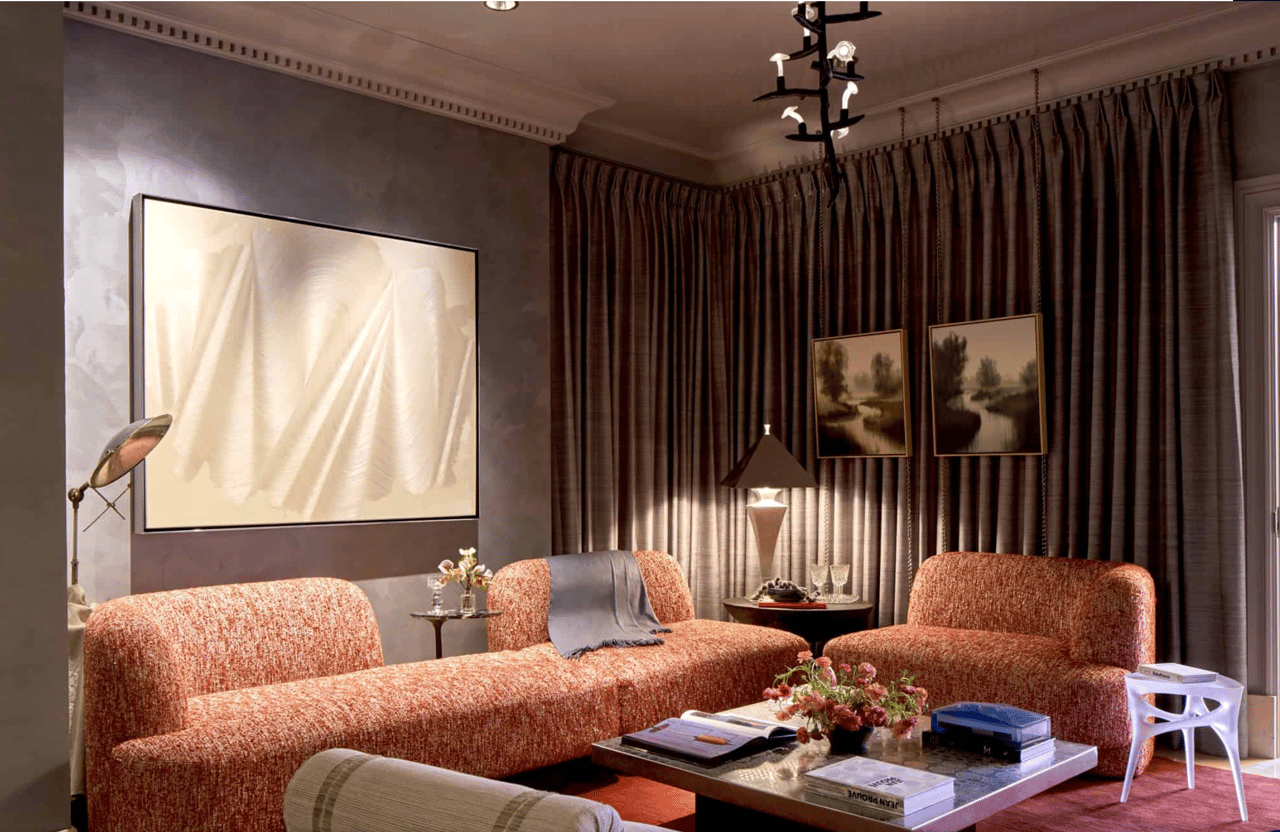
PICTURED FROM TOP OF STORY: A 2025 Kips Bay Decorator Show House room by Yates Desygn; the Royal Chapel at Versailles; a French chateau; and 2025 Kips Bay Decorator Show House rooms by (in order) Shane & Pierce, Doniphan Moore Interiors, Katharine Pooley Ltd., Jean Liu Design and Christopher Architecture & Interiors.
April 9, 2026
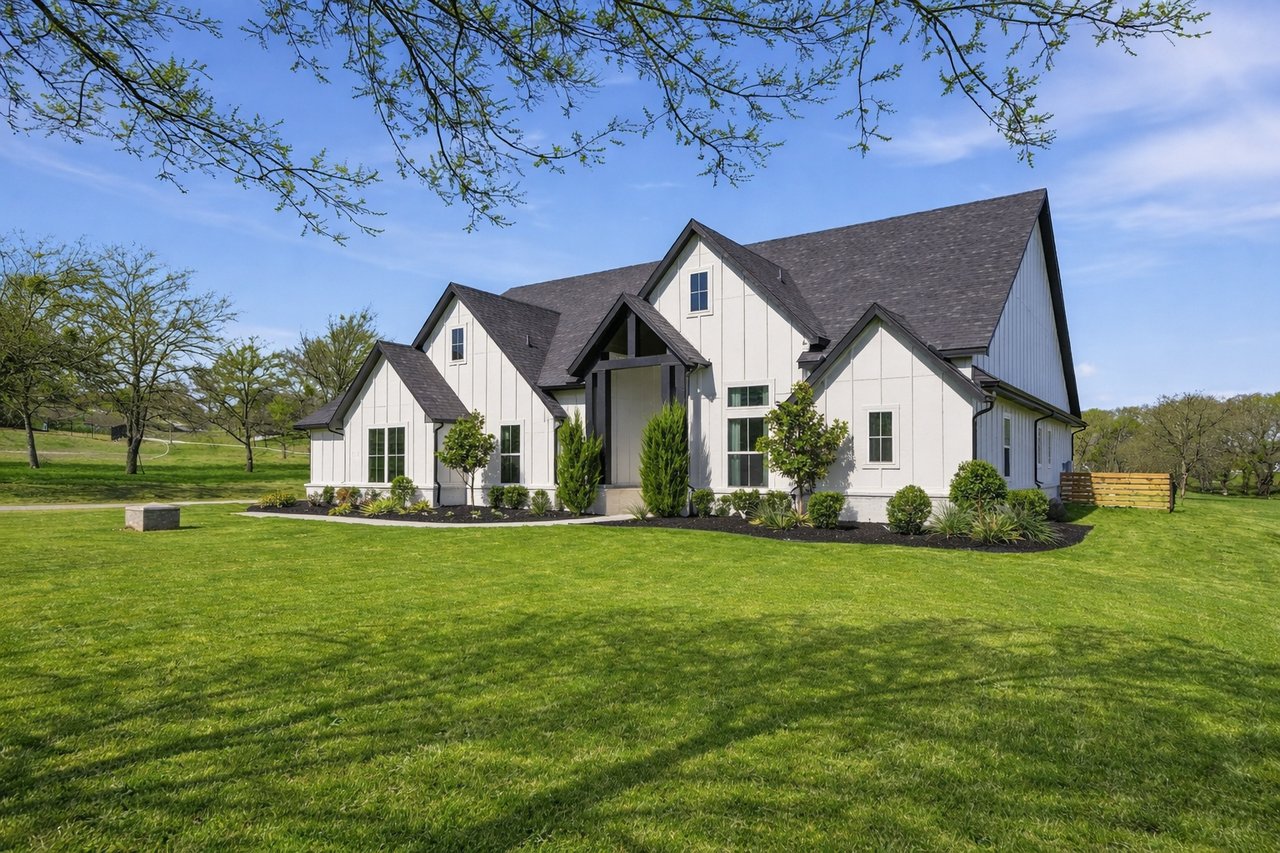
Want more space? Fresh open air awaits you.
April 9, 2026
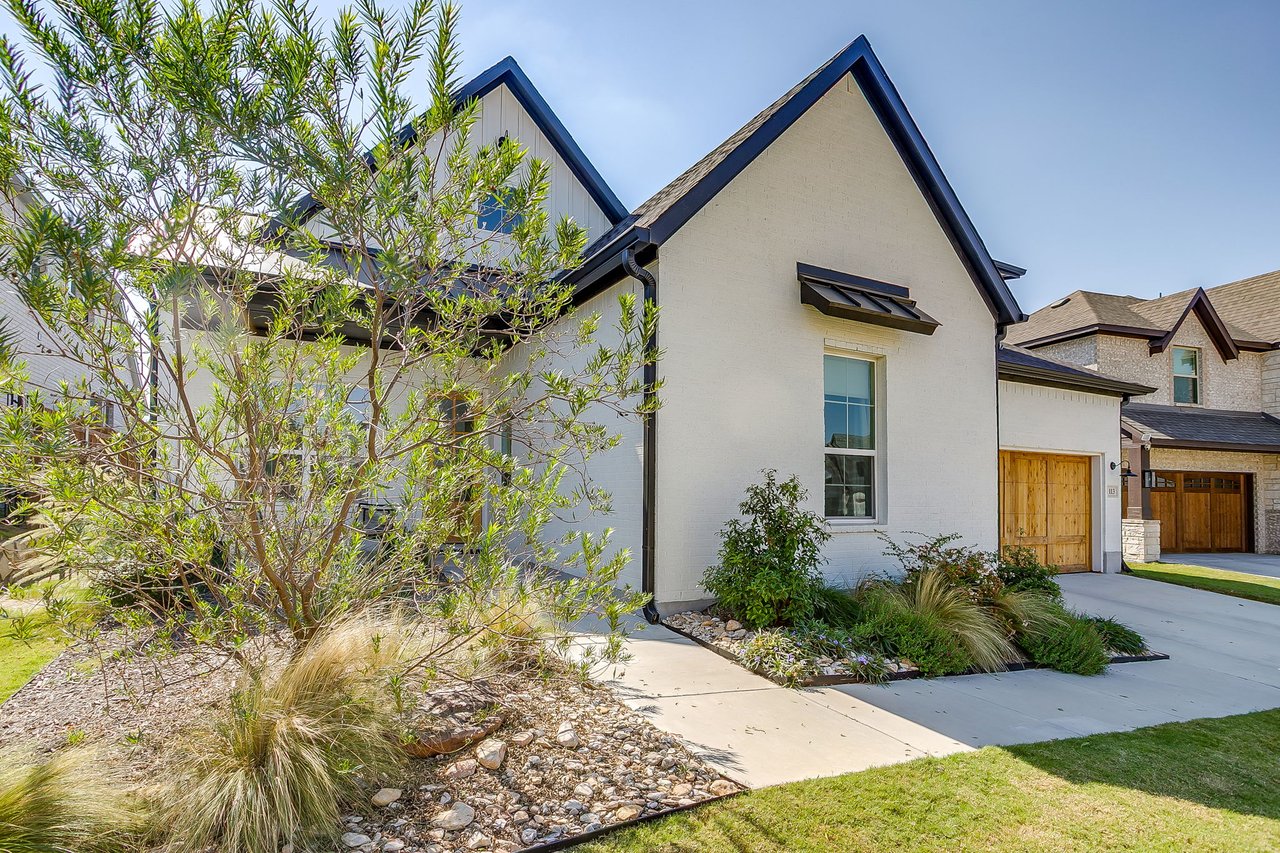
Discover 113 Harlan Ct in Parks of Aledo. A move-in ready home with custom upgrades, flexible layout, and outdoor living.
January 6, 2026
As featured on briggsfreeman.com
August 1, 2025
June 8, 2023
The vibrant Urban living scene is alive and well in downtown Fort Worth.
June 8, 2023
When the cares of life get to be too much, sometimes hiding out at home is not enough.
June 8, 2023
A lake home has always been an amazing escape, but never more so than now.
Amber has lived in Aledo for over 28 years and is well versed in the communities of East Parker County and has extensive experience in Walsh Ranch. She loves to put on her boots and explore large properties in the country with her clients. Contact Amber today to discuss all your real estate needs!